
Colombian
Culture Guide
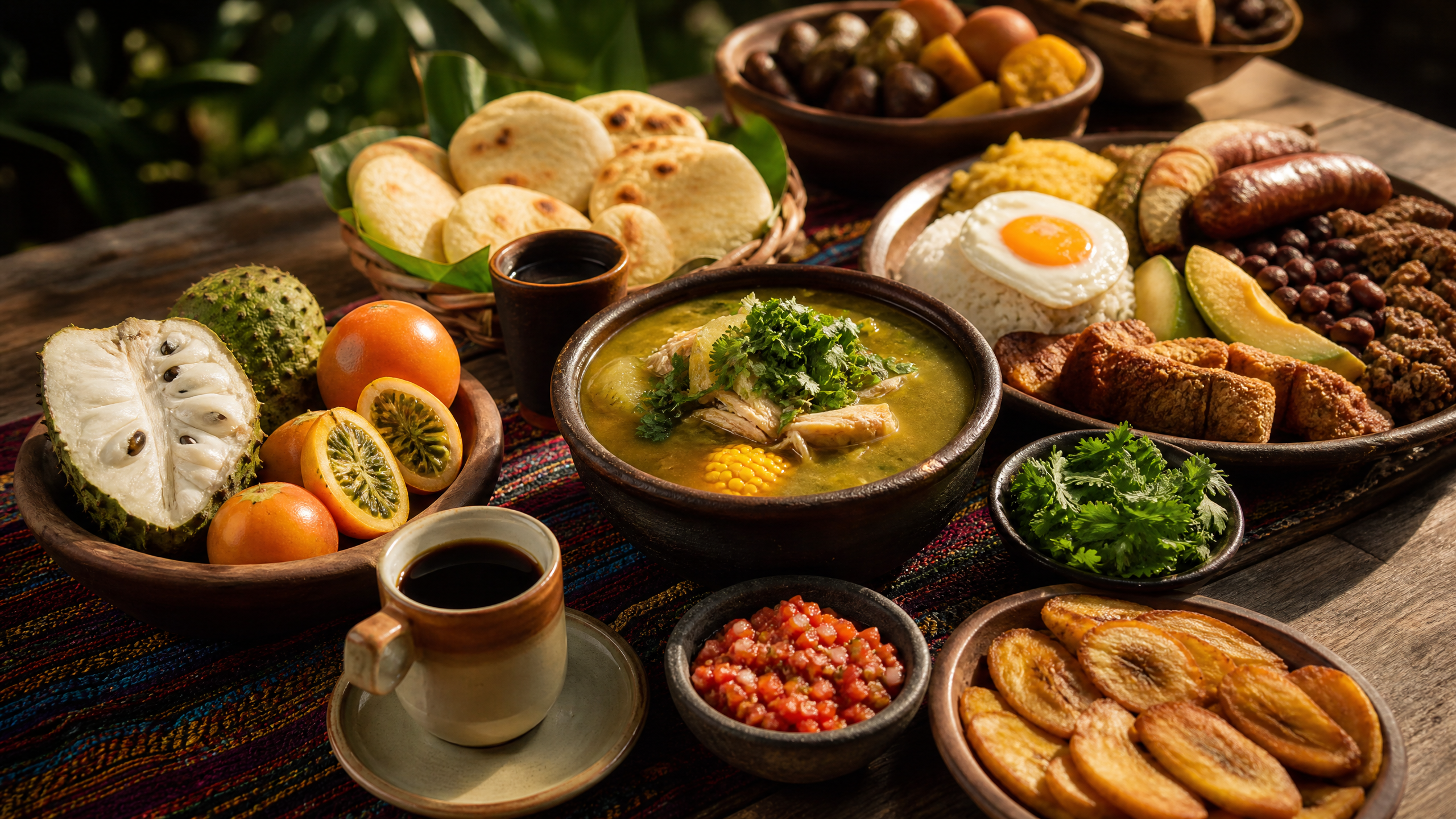
Seven thousand years of culinary history. Three civilizations. Nine regions. This is the story of Colombian food.
A History Written in Corn and Fire
Colombian cuisine is the product of three great civilizations meeting at the table. Indigenous peoples — the Muisca, Zenú, Quimbaya, and dozens more — cultivated corn, potato, yuca, beans, and quinoa for thousands of years before European contact. They developed sophisticated techniques: nixtamalization for corn, freeze-drying for potatoes in the high Andes, and fermentation for chicha.
The Spanish arrival in the 16th century brought cattle, pigs, wheat, rice, and the African enslaved people who would transform the coastal cuisines. African culinary traditions — the use of coconut milk, palm oil, and specific spice combinations — became the foundation of the Caribbean and Pacific coast cuisines. The result is a cuisine of extraordinary complexity and regional diversity.
Hogao: The Soul of Colombian Cooking
If there is one preparation that defines Colombian cuisine, it is hogao — the slow-cooked sofrito of long green onion (cebolla larga) and tomato that forms the flavor base of hundreds of dishes. Unlike the Spanish sofrito or the Cuban sofrito, hogao is distinctly Colombian: sweeter, more caramelized, and always made with the long green onion that grows throughout the Andean region.
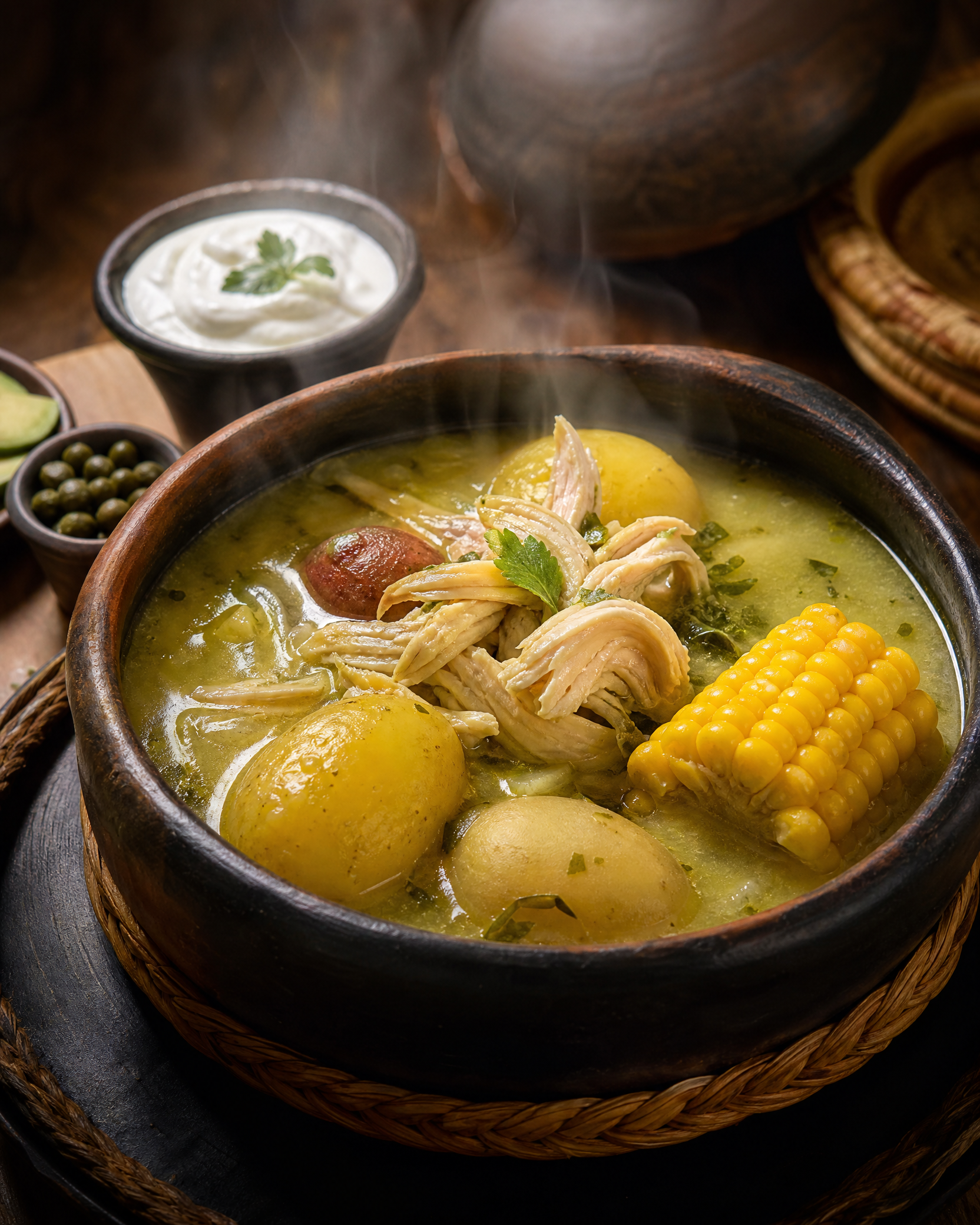
Hogao is not a condiment — it is a foundation. It goes into Bandeja Paisa, Ajiaco, Sancocho, Arroz con Pollo, Tamales, and dozens of other dishes. Learning to make a proper hogao is the first lesson in Colombian cooking.
Nine Regions, Nine Cuisines
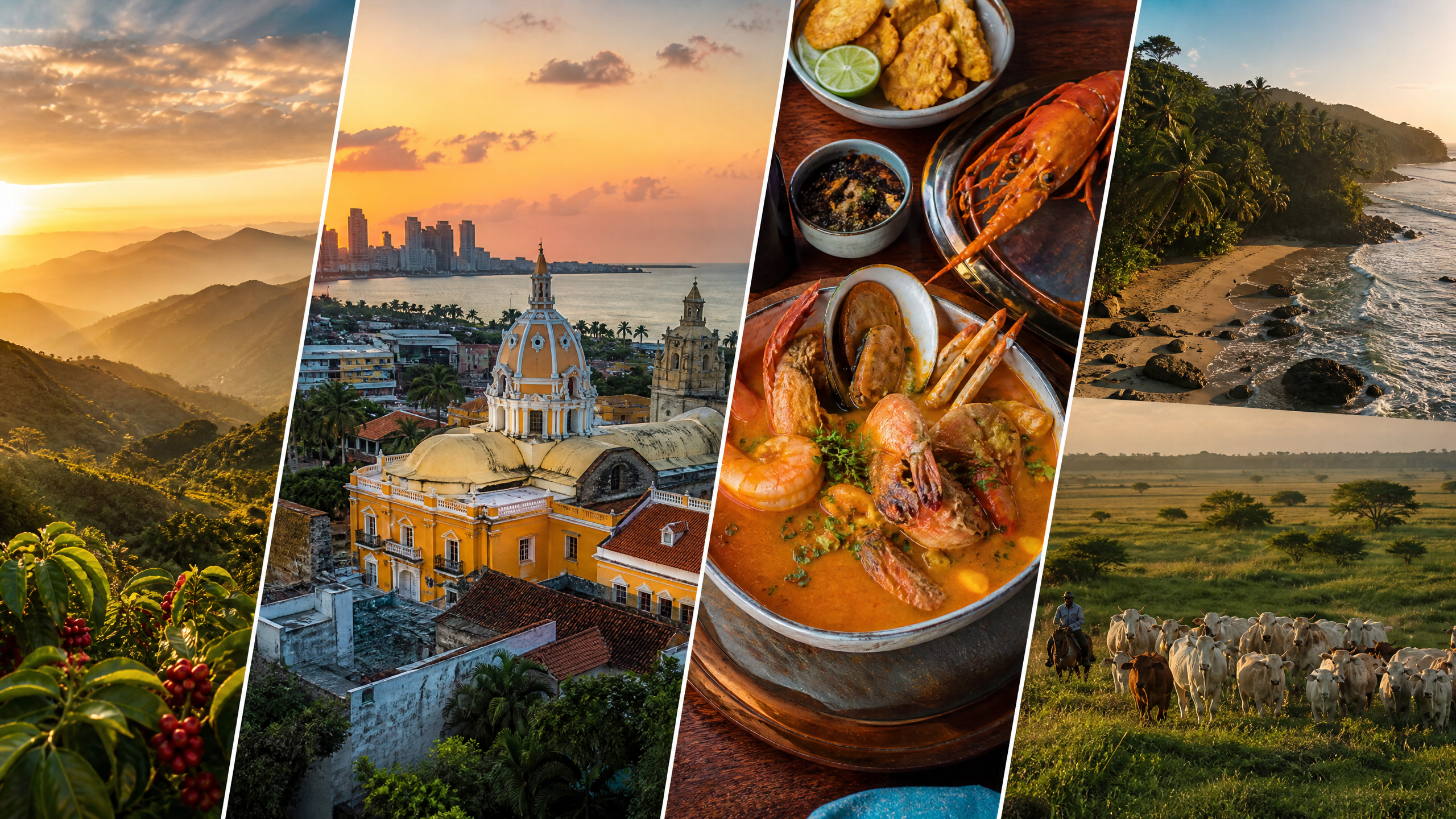
Colombia's extraordinary geographic diversity — three Andean mountain ranges, two oceans, the Amazon basin, the Llanos plains, and the Caribbean coast — created nine distinct regional cuisines. Each region developed its own flavor profile, techniques, and iconic dishes based on local ingredients and cultural influences.
The Paisa region of Antioquia built a cuisine of abundance: Bandeja Paisa, the most famous Colombian dish, is a platter of beans, rice, chicharrón, chorizo, egg, arepa, and avocado. The Caribbean coast developed a coconut-rich cuisine influenced by African traditions. The cold Andean highlands of Bogotá created warming soups like Ajiaco. The Pacific coast developed the most complex and biodiverse cuisine in the country.
The Arepa: Colombia's Daily Bread
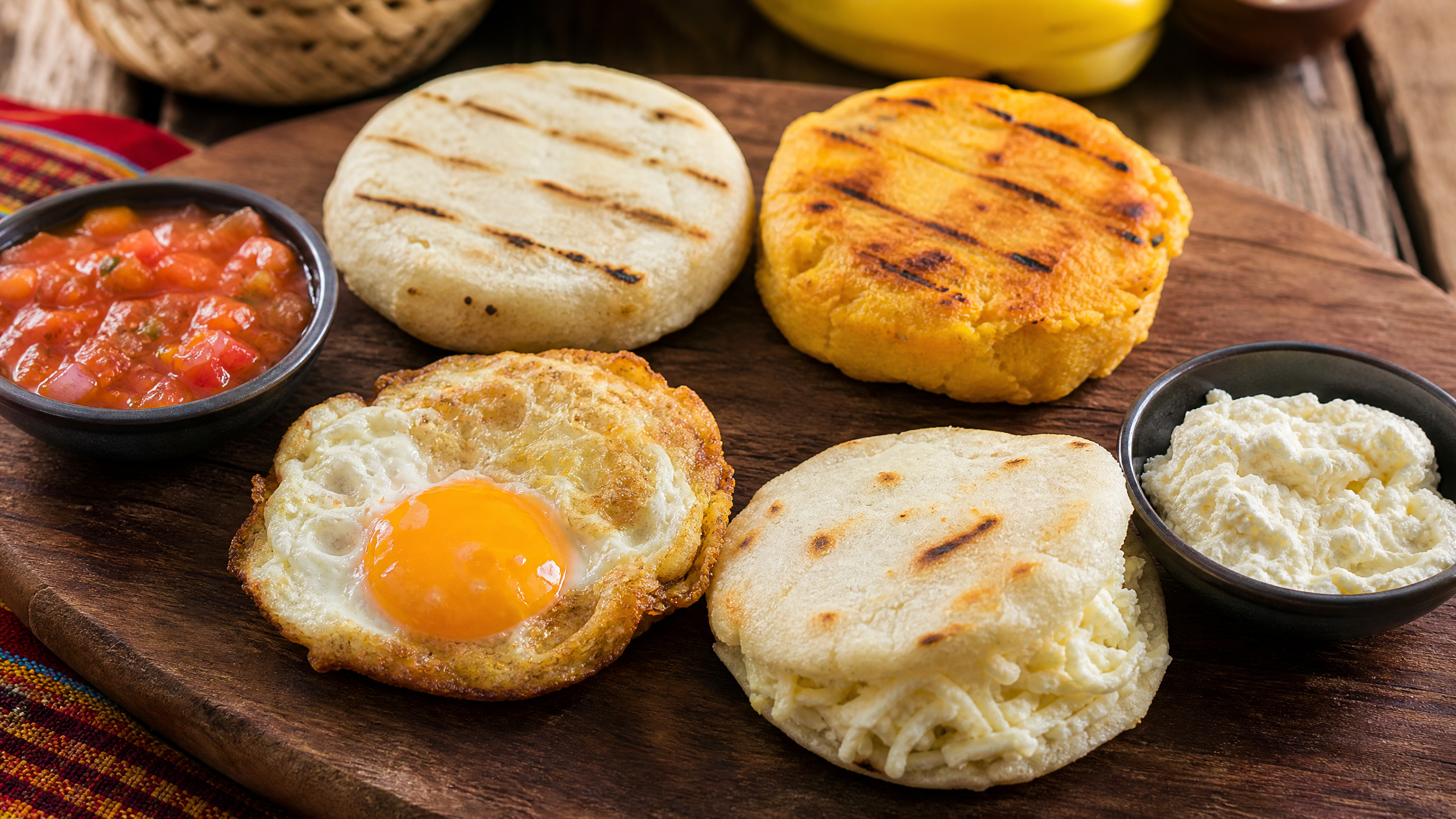
The arepa is Colombia's most democratic food — eaten at every meal, in every region, by every social class. But the arepa is not one thing: it is a family of corn preparations that varies dramatically by region. The Arepa de Chócolo of Antioquia is sweet and thick, made from fresh corn. The Arepa de Huevo of the Caribbean coast is fried and stuffed with egg. The Arepa Santandereana is thin and crispy. The Arepa Boyacense is thick and cheesy.
Understanding the arepa is understanding Colombia's regional diversity. Each type reflects the local corn varieties, cooking traditions, and cultural preferences of its region.
Ready to Cook?
Now that you understand the culture, explore the recipes — 97 authentic dishes from all 9 regions.